Address
304 North Cardinal St.
Dorchester Center, MA 02124
Work Hours
Monday to Friday: 7AM - 7PM
Weekend: 10AM - 5PM

Address
304 North Cardinal St.
Dorchester Center, MA 02124
Work Hours
Monday to Friday: 7AM - 7PM
Weekend: 10AM - 5PM

In practice, HIQ Precision is a custom aluminum die casting and precision machining partner. In addition, we connect engineering review, mold design, casting, CNC finishing and inspection in one accountable production route for OEM teams in China and worldwide.
For this reason, HIQ Precision gives OEM teams a practical alternative to fragmented manufacturing. First, our work begins with the drawing and production requirement, not with a generic price per part. Therefore, design, tooling, casting, machining, inspection and delivery follow one coordinated plan.
Then our engineers review wall sections, draft, tolerances, machining stock, surface finish and expected volume before recommending a mold concept. In addition, they identify the production risks that can affect tool life, cycle time and dimensional repeatability.
After tooling and first-article approval, production moves into aluminum die casting and CNC finishing. Because the quality requirements are agreed before production, final inspection supports the drawing instead of being added after parts are made.
For example, we coordinate the full manufacturing lifecycle from one-off prototypes to repeat production. In addition, each service below connects to the same engineering, quality and delivery plan.

Before tooling, process planning covers prototypes, low-volume builds and repeat production. In addition, our team reviews material and finish requirements against the drawing.
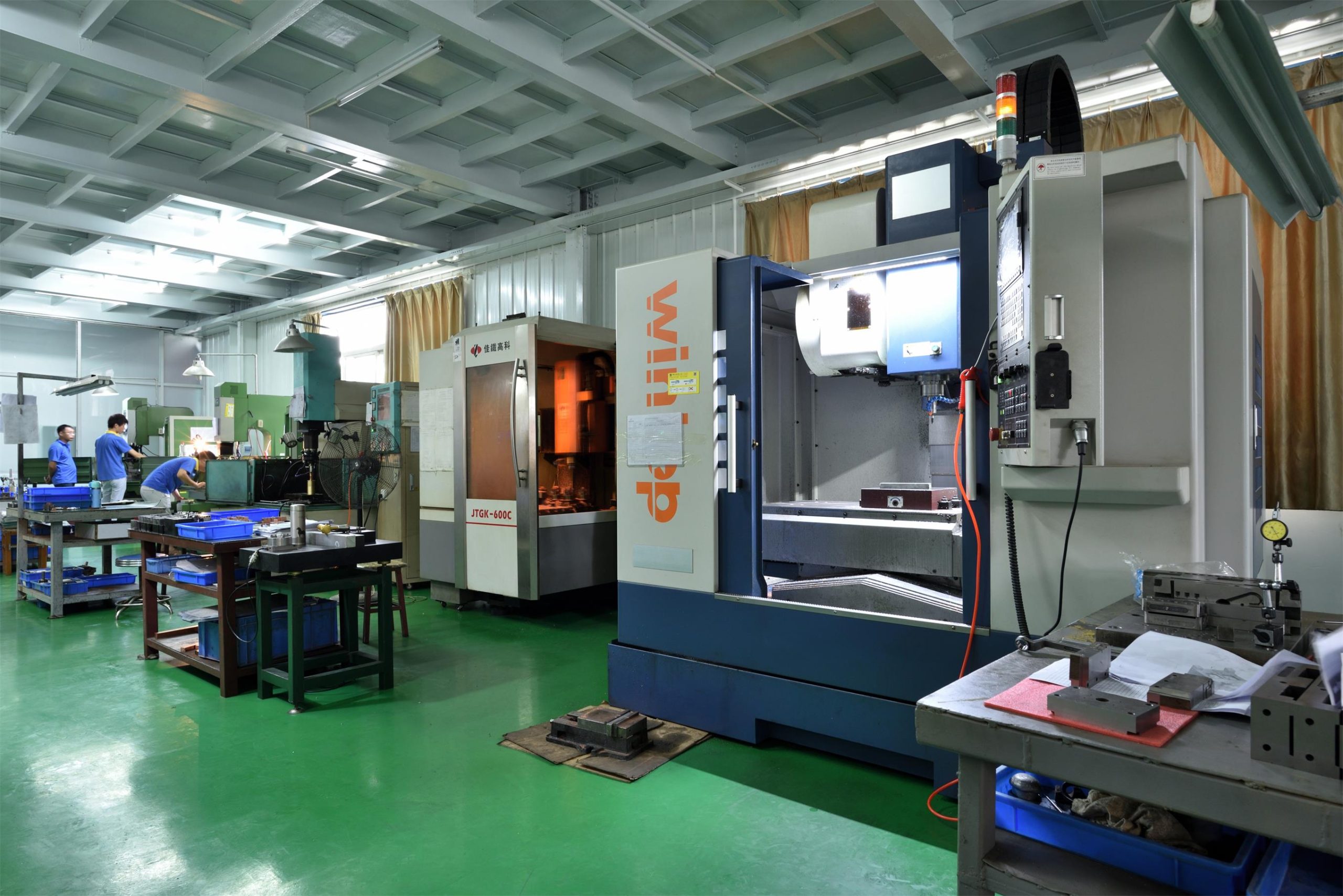
During mold design, parting lines, feed, cooling, ejection and maintenance requirements are developed around production volume and part geometry.
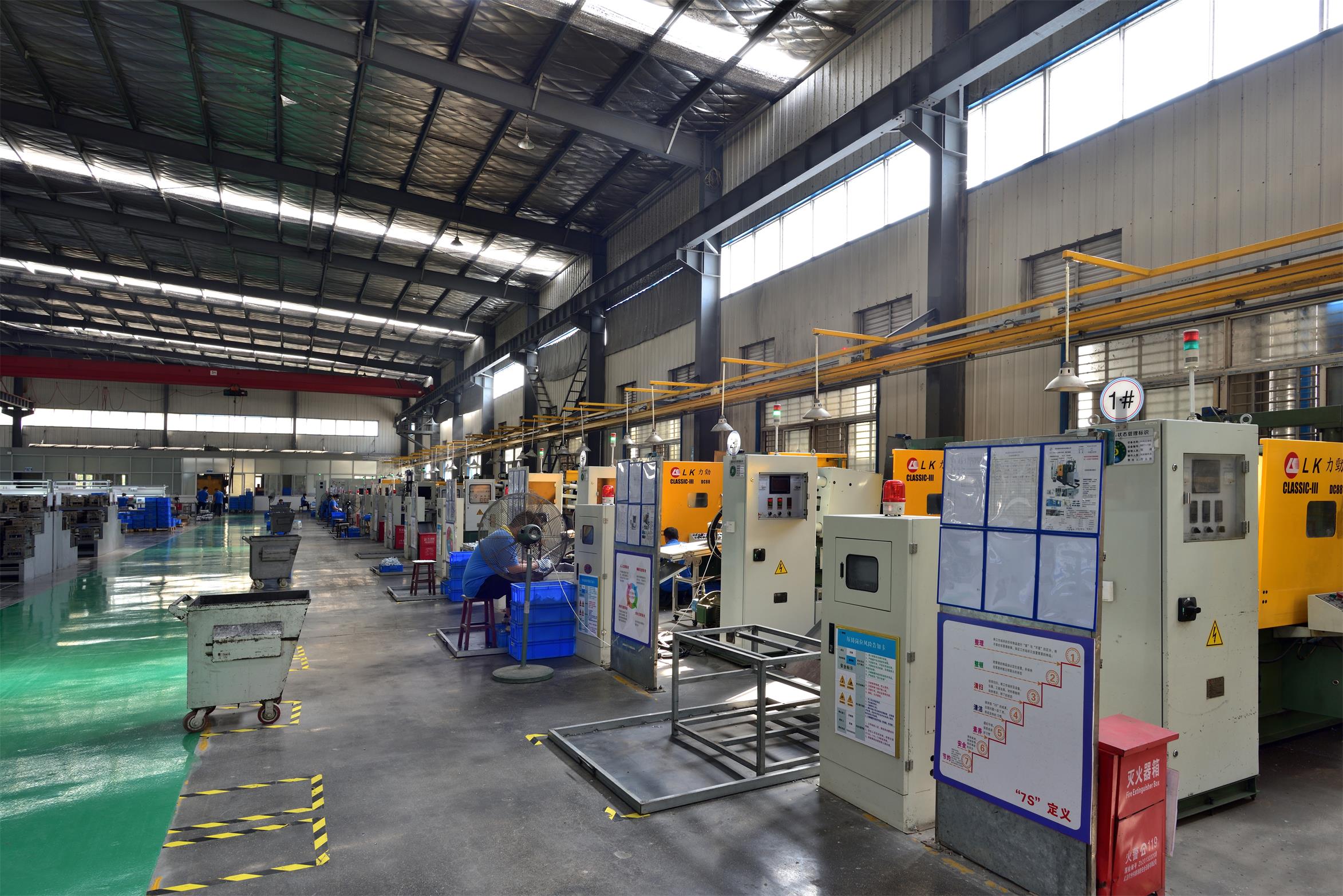
After casting, we complete holes, threads, mating surfaces and critical features under the same project plan.

Before production, first-article evaluation establishes the approved process. After that, in-process dimensional checks keep production aligned with drawing requirements.

Finally, we coordinate secondary operations, surface treatment, assembly and packing around the agreed production schedule.
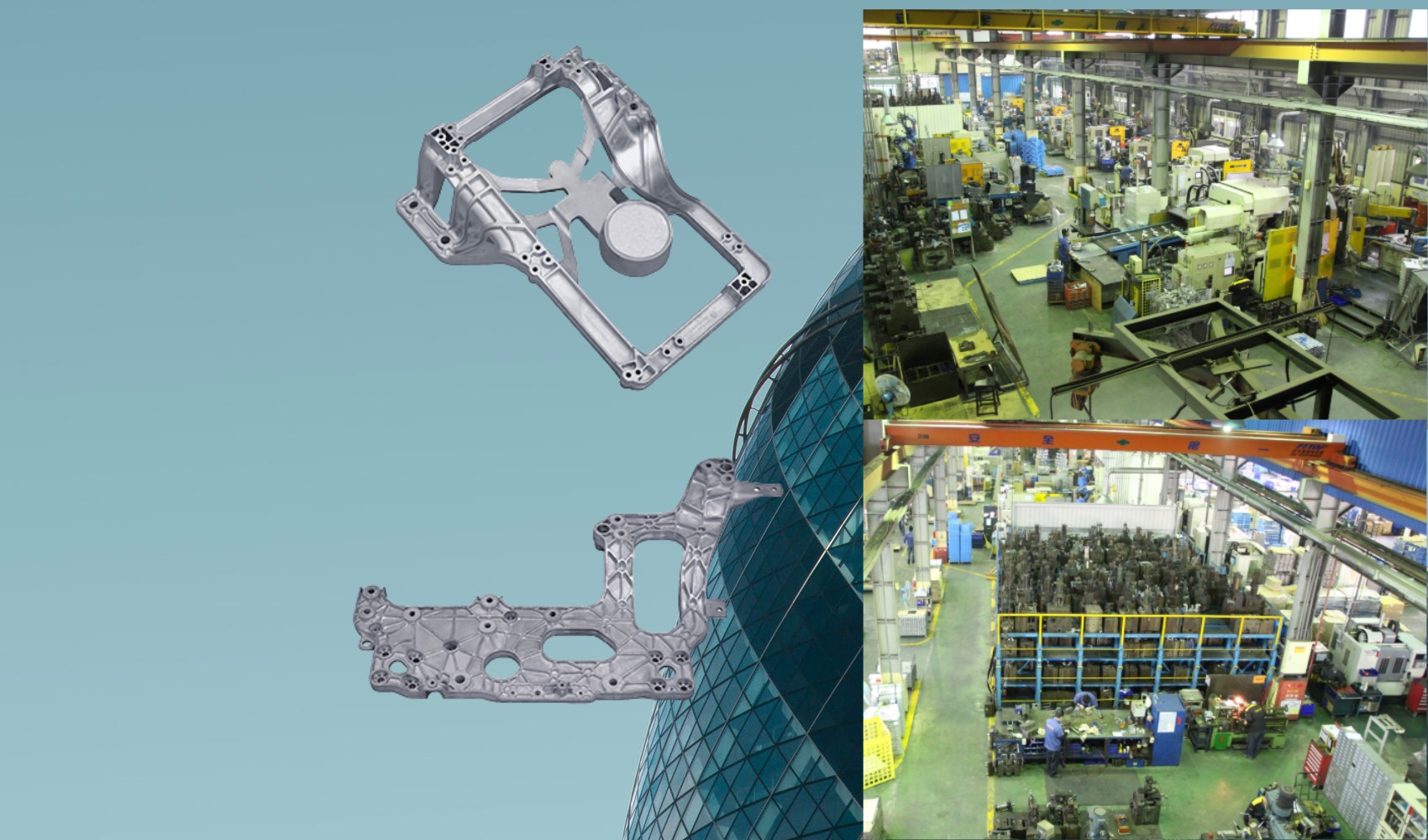
As a result, one project plan connects engineering decisions, production updates, inspection records, packing and international delivery.
Before tooling begins, buyers need clear answers. Therefore, we make engineering decisions, quality expectations and production responsibilities visible from the first review.
For example, DFM and mold review help resolve avoidable production risks before steel is cut.
After approval, samples create a clear baseline for process control and future orders.
In addition, casting, machining, finishing and inspection stay inside a single project plan.
Because geometry, tolerance and volume affect production, every quotation starts from the drawing and finish requirement.
Therefore, we agree critical characteristics and checking methods before production.
As a result, buyers receive a practical route for decisions, samples, production and delivery.
In addition, every application brings different requirements for strength, appearance, tolerance and volume. Therefore, we build the production route around those priorities.
Also, we work as an extension of the buyer’s engineering and sourcing teams. For this reason, technical decisions remain traceable from RFQ through repeat production.
First, our process starts with the requirements that influence tooling and repeatability: part geometry, draft, wall thickness, tolerances, machining stock and volume.
Then we align the mold concept, process route and inspection plan before production begins. As a result, buyers can evaluate technical decisions before approving the tool.
Before release, first-article approval establishes the production baseline. After that, in-process checks and dimensional verification protect the approved requirements.
Meanwhile, packing and delivery requirements remain part of the same project plan, keeping the finished part and the buyer’s expectations aligned.
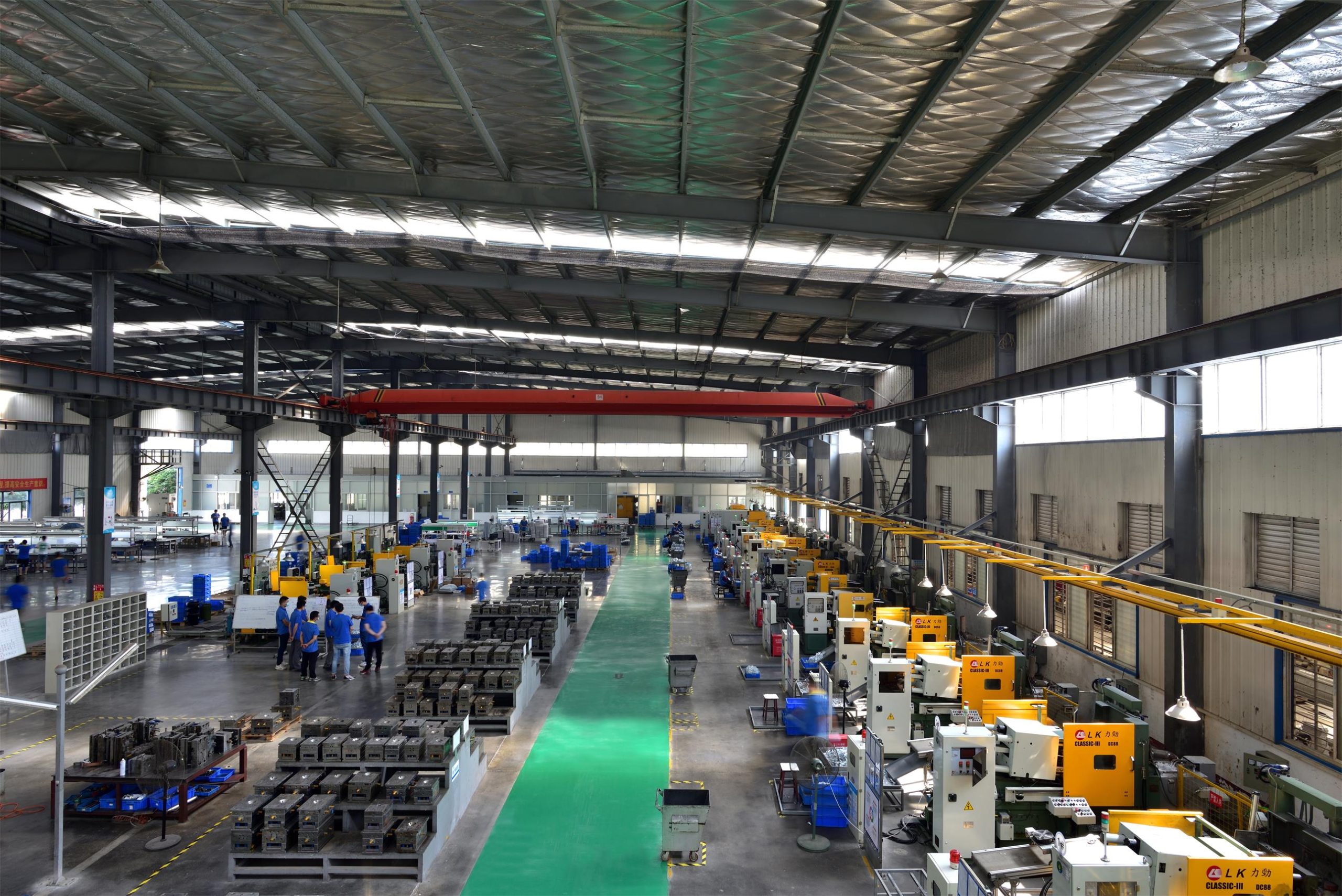
Meanwhile, our production environment connects casting equipment, CNC capacity and dimensional inspection under coordinated quality controls.
Before casting, mold planning and sampling are aligned with the part drawing and expected volume.
In addition, turning, milling and finishing resources support cast features, interfaces, threads and mating surfaces.
After first-article approval, in-process checks and dimensional verification support an approved production process.
Have a drawing, prototype or production issue? First, send the available files. Then we can review part geometry, tooling requirements, machining scope and inspection needs before discussing the quote.
First, start with the drawing you have today. If a requirement is missing, our engineering team will clarify it during review.
Together, we coordinate drawing review, mold design and tooling, die casting, CNC machining, finishing, inspection, packing and delivery. Consequently, the project follows one manufacturing plan instead of separate handoffs between unrelated suppliers.
For example, send STEP, IGES or native 3D CAD together with a 2D PDF, DXF or DWG when tolerances and finishes are critical. Please also include estimated quantity, material, surface treatment and delivery target so we can review the production route accurately.
Yes, we support tooling and sampling through serial production. In addition, prototype quantity, expected annual volume and target timing should be shared in the RFQ so the mold concept matches the intended program.
First, we define critical dimensions and inspection methods before production. After first-article approval, in-process checks and dimensional verification keep the process aligned with the approved drawing. As a result, our approach follows IATF 16949 principles for production-part approval and ongoing control.
Under our working process, drawings are used only to evaluate and support your manufacturing inquiry. In addition, they are not shared for unrelated marketing purposes, and an NDA can be discussed when your project requires additional confidentiality controls.
Simply upload your CAD files, material, quantity and delivery target. After review, our engineering team will evaluate the custom aluminum die casting requirements before quotation.