Address
304 North Cardinal St.
Dorchester Center, MA 02124
Work Hours
Monday to Friday: 7AM - 7PM
Weekend: 10AM - 5PM

Address
304 North Cardinal St.
Dorchester Center, MA 02124
Work Hours
Monday to Friday: 7AM - 7PM
Weekend: 10AM - 5PM

Engineering-led aluminum die casting mold design, tool manufacturing, sampling, production, CNC finishing and inspection for repeat manufacturing.
Aluminum die casting mold engineering begins with the part drawing at HIQ Precision. To begin, we review the drawing and volume so the tool, process and quality plan can support sampling, production, CNC finishing and inspection.

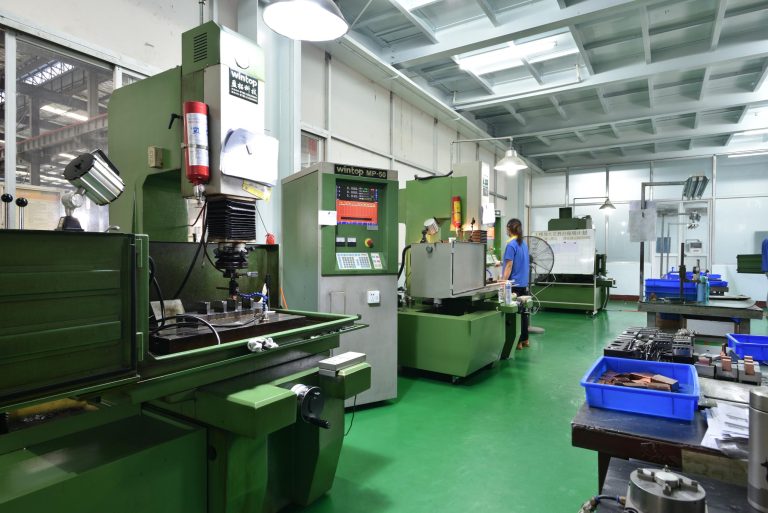
In practice, a capable tool and a capable production process must be planned together. Therefore, our aluminum die casting mold services cover the complete route from part review to finished casting.
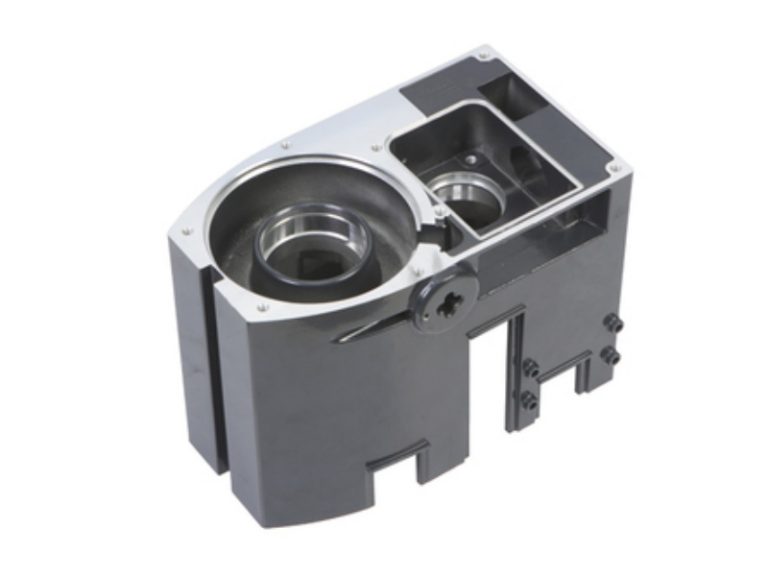
Prior to tooling, we review draft, wall sections, radii, parting lines, tolerances and machining stock.
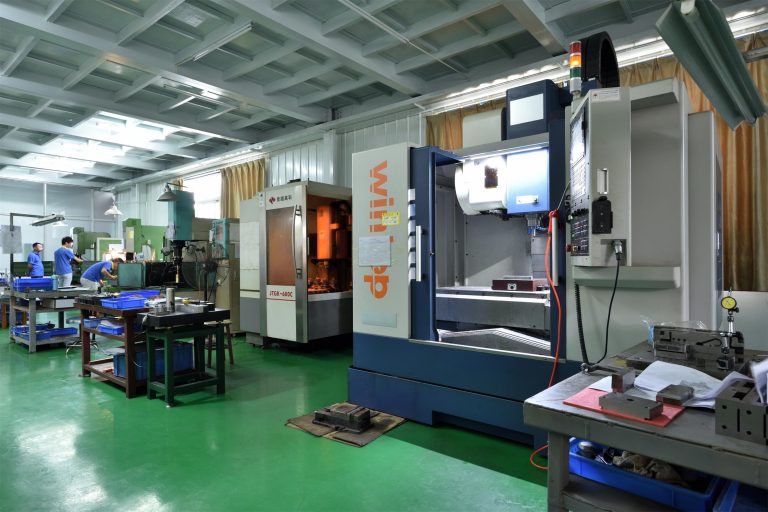
Within tool design, our team develops feed, cooling, ejection, venting and maintenance around part geometry.
Tool steel, machining and heat-treatment decisions support dimensional stability and service life.
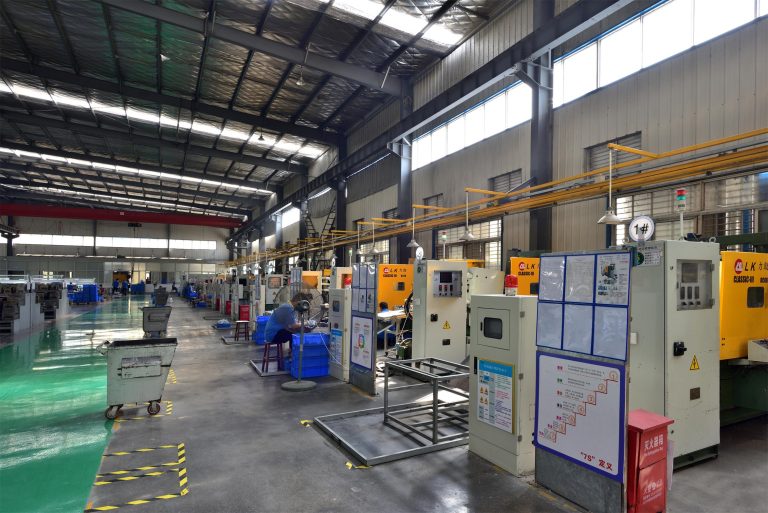
Following tool build, sampling verifies the process and creates the first-article approval baseline.
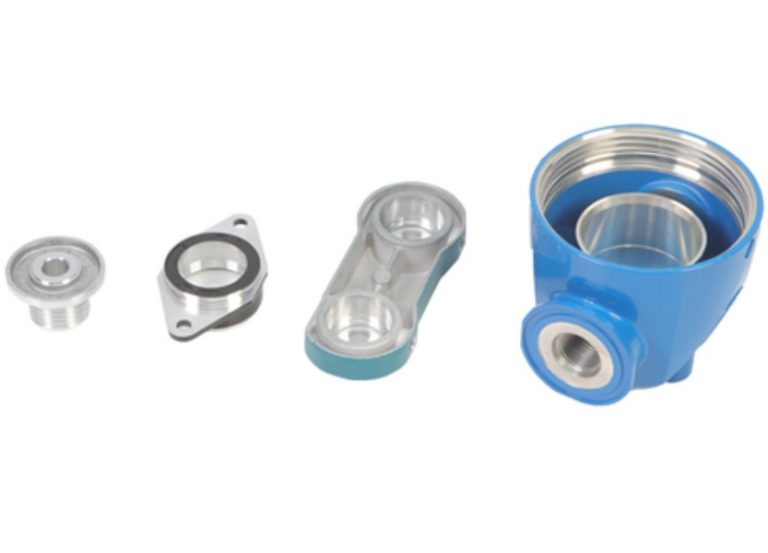
Features, threads, mating surfaces and surface treatment remain part of the same production plan.

Critical dimensions, packing and documentation are checked against the approved production plan.
For this reason, tooling decisions are expensive to correct later. Therefore, our aluminum die casting mold review focuses on manufacturability and process repeatability before mold construction begins.
Once DFM begins, we identify draft, thickness, tolerance and machining questions before they become tool changes.
Together, mold design, casting parameters and CNC finishing are discussed as one production system.
Once tool validation is complete, sampling and first-article approval establish a baseline for production and future orders.
Throughout the program, the buyer keeps one coordinated engineering contact from tooling through delivery.
At the same time, a clear project sequence keeps tooling, sampling and production decisions visible. As a result, the buyer knows what is being approved at every stage.
Initially, review geometry, alloy, volume and critical requirements.
During aluminum die casting mold planning, define parting, feed, cooling, ejection and maintenance.
At tool build, machine and verify the mold before trial production.
Then check process settings and critical dimensions.
Finally, run casting, CNC finishing, inspection and delivery.
Consequently, every tool is designed around the part and production volume. Additionally, we confirm the technical priorities that affect tool life, cycle time and dimensional consistency.
Material selection considers production volume, alloy and maintenance expectations.
Cooling design supports stable cycles and helps control distortion.
Inside the aluminum die casting mold review, we consider fill, ejection and structural requirements.
CNC stock and locating strategy are agreed before the casting is released.
Before production, aluminum die casting mold inspection methods are defined with the drawing and plan.
Component access is planned for practical service and long-term production.
Before trial production, we define the critical dimensions, finish requirements and inspection methods. After that, first-article approval establishes the production baseline. Our aluminum die casting mold process follows IATF 16949 principles where applicable.
Each project starts with the drawing and expected volume. If information is missing, our engineering team will clarify it during review.
To prepare the review, provide 3D CAD, a 2D drawing, alloy, quantity and target timing. In addition, identify critical tolerances, finish, machining scope and inspection requirements.
Yes. Sampling and first-article approval connect tool development to repeat production. For this reason, changes and approvals remain visible before volume manufacturing begins.
Machining stock, datums, fixtures and critical features are reviewed with the tool design. As a result, casting and CNC requirements stay coordinated within one manufacturing route.
Mold design includes material selection, cooling, ejection and service access. During review, we also consider production volume and the maintenance expectations of the intended program.
Yes, we define critical dimensions and checking methods before production. Following approval, the aluminum die casting mold production route includes in-process checks, final inspection, packing and documentation.
First, upload the part drawing and production requirements. Then our engineering team can review the aluminum die casting mold, casting, CNC and inspection route before quotation.