Address
304 North Cardinal St.
Dorchester Center, MA 02124
Work Hours
Monday to Friday: 7AM - 7PM
Weekend: 10AM - 5PM

Address
304 North Cardinal St.
Dorchester Center, MA 02124
Work Hours
Monday to Friday: 7AM - 7PM
Weekend: 10AM - 5PM

Practical aluminum die casting insights on design, tooling, CNC machining, inspection and sourcing for buyers and engineers.
Aluminum die casting insights for buyers and engineers who need to evaluate design, material, tooling, CNC finishing, inspection and sourcing before production begins.
First, start with the decisions that affect tooling cost, part quality and production reliability. These guides explain the questions we review before recommending a manufacturing route.

For example, this guide provides a practical overview of die casting design, tooling, materials and machining. In addition, it explains the decisions that connect a drawing to repeat production.

In addition, this article explains how lightweight structural parts support UAV design and what buyers should confirm before tooling.
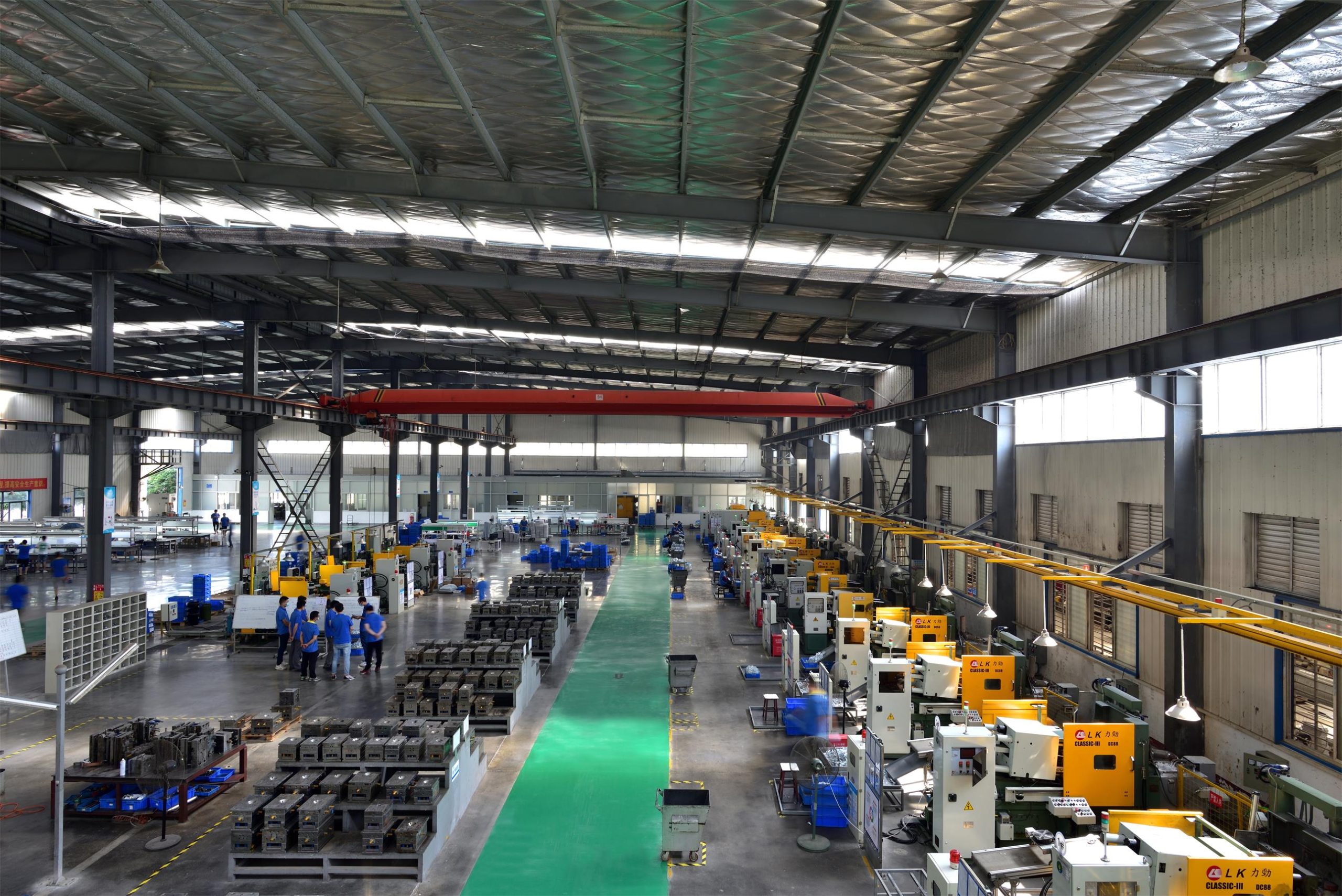
For global buyers, this strategic guide covers engineering capability, quality control and delivery evaluation.
In practice, useful content should help a buyer make a decision. Therefore, each guide focuses on a specific manufacturing question rather than general product promotion.
Before the tool is approved, draft, wall sections, radii, parting lines and machining stock must work together.
In addition, tolerances, finish, leak requirements and inspection methods influence the casting and machining route.
However, a capable sample is only the beginning. Repeat production depends on process control, records and delivery planning.

Before comparing quotations, make sure each supplier reviews the same requirements. Otherwise, a lower price may leave tooling, machining or inspection outside the quoted scope. Therefore, quality expectations should be written into the RFQ and aligned with IATF 16949 principles where applicable.
In addition, use the topic paths below to move from an early design question to a production-ready plan. Each path connects directly to the relevant HIQ capability.
First, understand draft, wall thickness, tolerances and machining allowance.
Then plan tooling structure, first article and the production baseline.
In addition, coordinate cast features, interfaces, finishes and secondary operations.
Finally, define checking methods, documentation, packing and repeat supply.
Have a specific engineering or sourcing question? Then send it to our project team. As a result, we can point you to the right guide or review the drawing directly.
These are the questions buyers ask most often when they start reviewing an aluminum die casting project. For this reason, each answer focuses on a practical next step.
For example, start with the complete aluminum die casting guide if the project is still at an early design stage. Then review the sourcing guide before comparing suppliers or requesting quotations.
Yes, upload the drawing through the RFQ form or email project@pgpme.com. In addition, include quantity, material and target timing so the review can cover tooling and production requirements.
First, provide a current 3D model, 2D drawing, alloy, quantity, finish, inspection requirement and delivery target. If a file or requirement is missing, the engineering team will clarify it during review.
Yes, send the question to project@pgpme.com with the subject “Aluminum Die Casting Insights Question.” We review reader questions against the technical topics that matter most to buyers and engineers.
Simply send your drawing and requirements to our engineering team. After review, we will evaluate the part, tooling route, CNC scope and inspection needs before quotation.